
7 Reasons Why Painting Your Cabinets Makes More Sense Than Replacing Them
The kitchen is the center of everyday life at home. It is where morning coffee brews, family dinners come together, and friends gather when you entertain.…


When Jacksonville homeowners think about paint problems, they usually think about the outside of the house first.
That makes sense. Our exterior paint deals with brutal sun, heavy humidity, salty air, rainstorms, and long hot seasons. But the paint inside your home has its own job to do, too.
Interior painting protects your walls from moisture, stains, grease, scuffs, sunlight, cleaning products, and everyday wear. When it starts to break down, the issue is not always just cosmetic. Small problems can turn into peeling paint, damaged drywall, stains that keep coming back, or full paint failure.
At Fresh Painting FL, we are a family-owned Jacksonville crew, and we know this climate. We also know that a professional finish takes more than a brush. It takes proper prep, the right products, and a disciplined process from start to finish.
If you live in Orange Park, St. Augustine, or the surrounding Northeast Florida area, here are 11 interior paint problems to fix before they become bigger repairs.
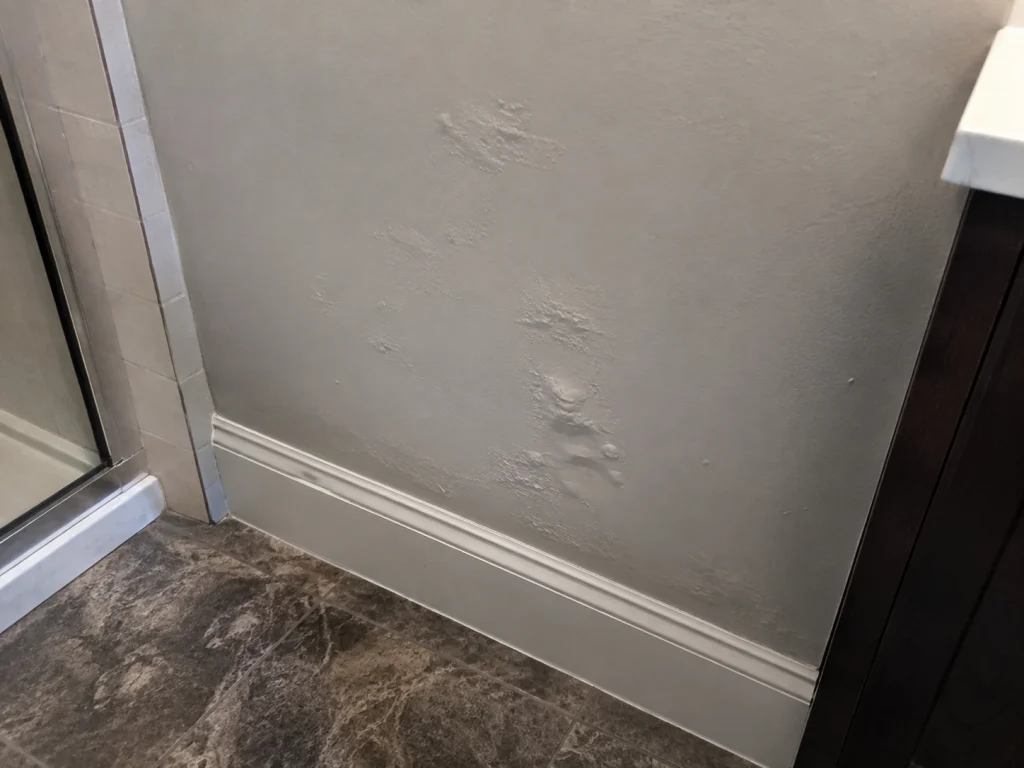
Bubbling paint is one of the clearest signs that moisture has gotten behind the paint.
You may see raised bubbles, soft spots, or hollow-looking areas on the bathroom walls or ceiling. This often happens after years of hot showers, poor ventilation, or using the wrong paint finish in a humid room.
In Jacksonville, moisture is always a factor. Bathrooms already deal with steam, and our humid climate does not help. If flat paint was used in a bathroom, it may soak up moisture instead of resisting it.
Once those bubbles pop, the drywall underneath can be exposed. That can lead to peeling, staining, and deeper wall damage.
The right fix is not to paint over the bubbles. The damaged paint should be scraped away, the surface should be repaired, and the area should be sealed with the right primer before applying a moisture-resistant finish.
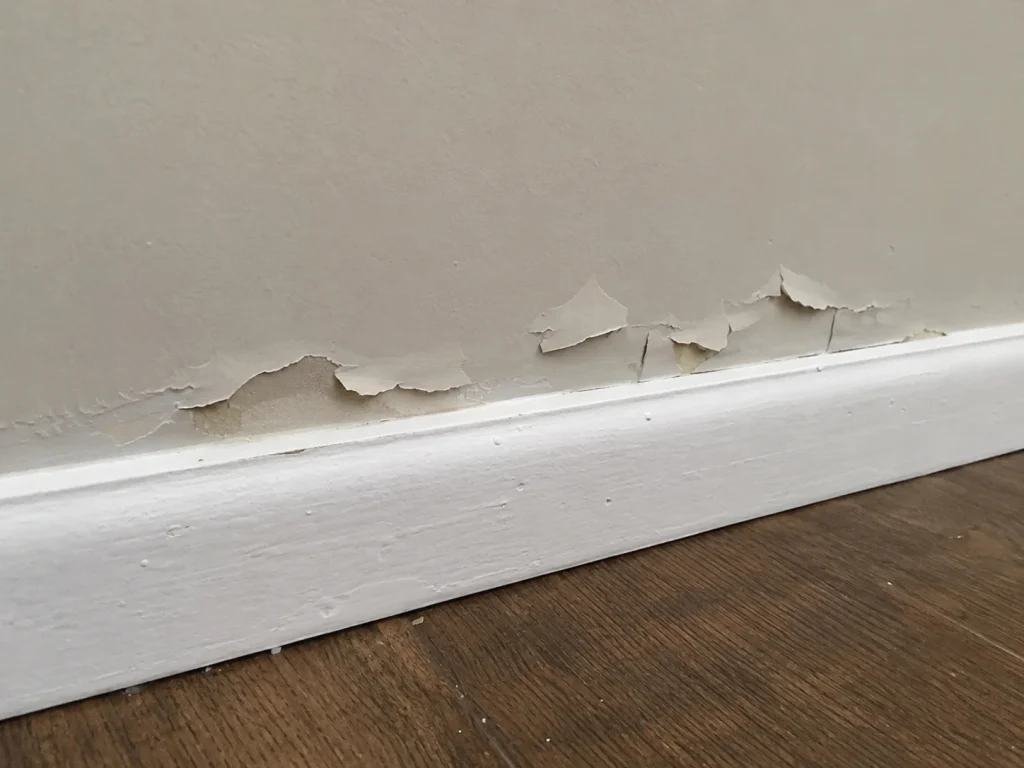
Peeling paint near baseboards, lower walls, laundry rooms, and entryways is a sign that the paint has lost its grip.
In Jacksonville homes, lower walls take a beating. Sandy shoes, wet feet, pets, mops, cleaning products, and humid air can all wear down the paint near the floor. If the wall was not cleaned or primed correctly before the last paint job, peeling can happen even faster.
Once paint starts peeling, new paint will not stick well over it. The loose layer underneath will continue to pull away.
To fix this correctly, the peeling paint needs to be removed. Then the edges should be sanded smooth, damaged spots should be patched, and the wall should be primed before repainting.
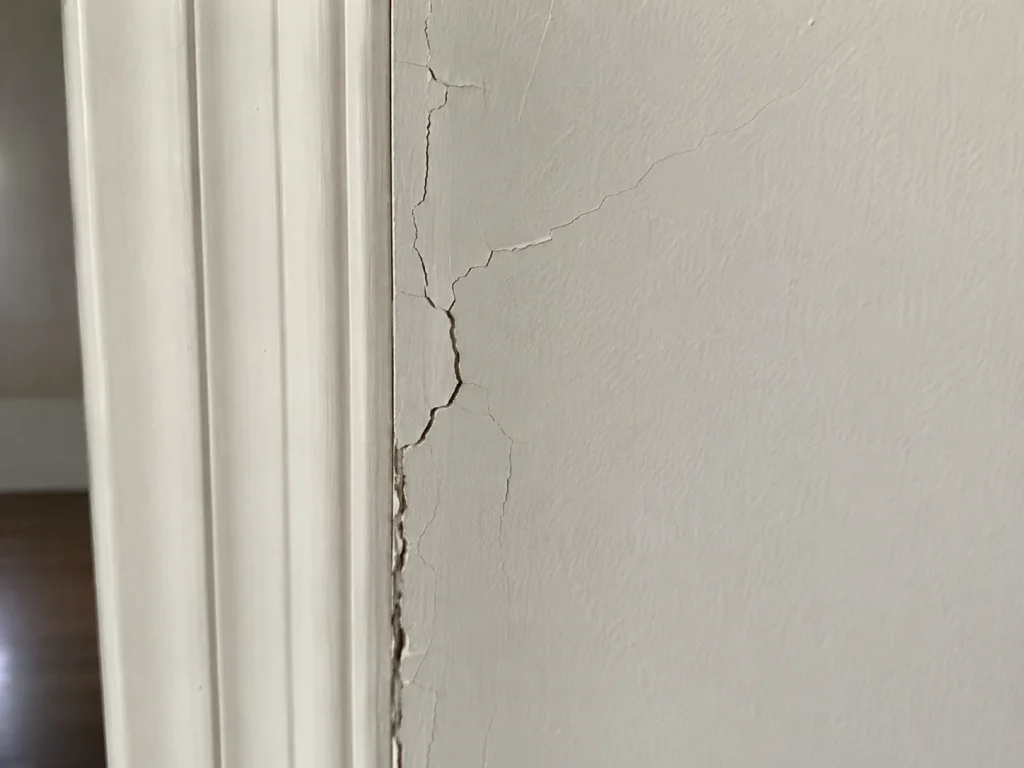
Small cracks around doors, windows, corners, and trim may seem minor, but they are worth paying attention to.
These cracks can happen when paint gets old and brittle. They can also show up near areas where the wall, trim, and caulk lines naturally shift over time. In Florida homes, constant air conditioning can create different indoor conditions from room to room, especially near vents, windows, and exterior walls.
A few small cracks may not mean your wall is falling apart, but they can be an early warning sign that the paint system is starting to fail.
The best approach is to repair the cracks, sand the area smooth, replace failing caulk when needed, prime the repair, and repaint with quality interior paint.
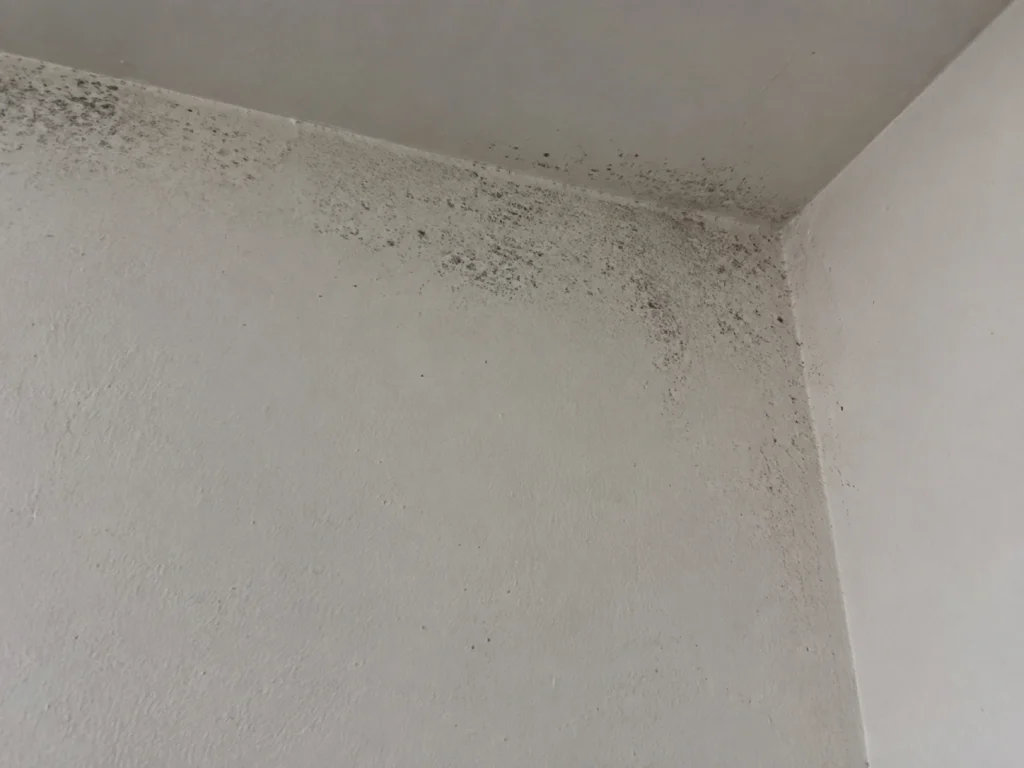
Dark specks on walls or ceilings should not be ignored, especially in bathrooms, laundry rooms, closets, and other areas where moisture tends to sit.
If you clean the spots and they keep coming back, paint alone will not solve the problem. Covering moisture-related spots without handling the source is one of the fastest ways to end up with repeat paint failure.
The surface needs to be cleaned properly, dried fully, sealed with the right primer, and repainted with a finish that can handle humidity.
For Jacksonville homes, satin or semi-gloss paint is usually a better choice in bathrooms and laundry rooms than flat paint. These finishes are easier to clean and better suited for moisture-prone spaces.
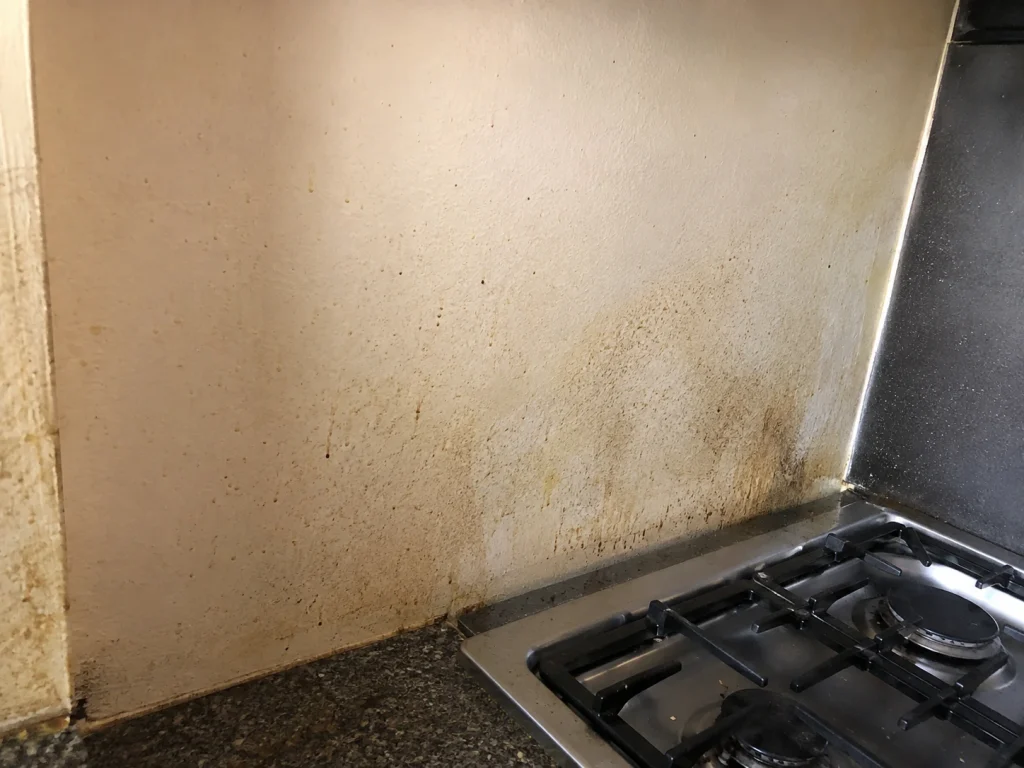
Kitchen walls deal with more than people realize.
Cooking oil, grease, steam, smoke, and food splatter can build up on the walls and ceiling over time. This usually shows up around the stove, oven, microwave, or range hood.
If the wall feels sticky or looks yellowed, there may be a layer of grease sitting on top of the paint. That is a serious problem for repainting because new paint does not bond well to grease.
If a painter skips the cleaning step and paints directly over a greasy wall, the new coat can peel, bubble, streak, or fail early.
Before repainting a kitchen, the walls should be cleaned and degreased. Stained areas should be sealed with primer, and the final coat should be a washable finish that can handle real kitchen use.
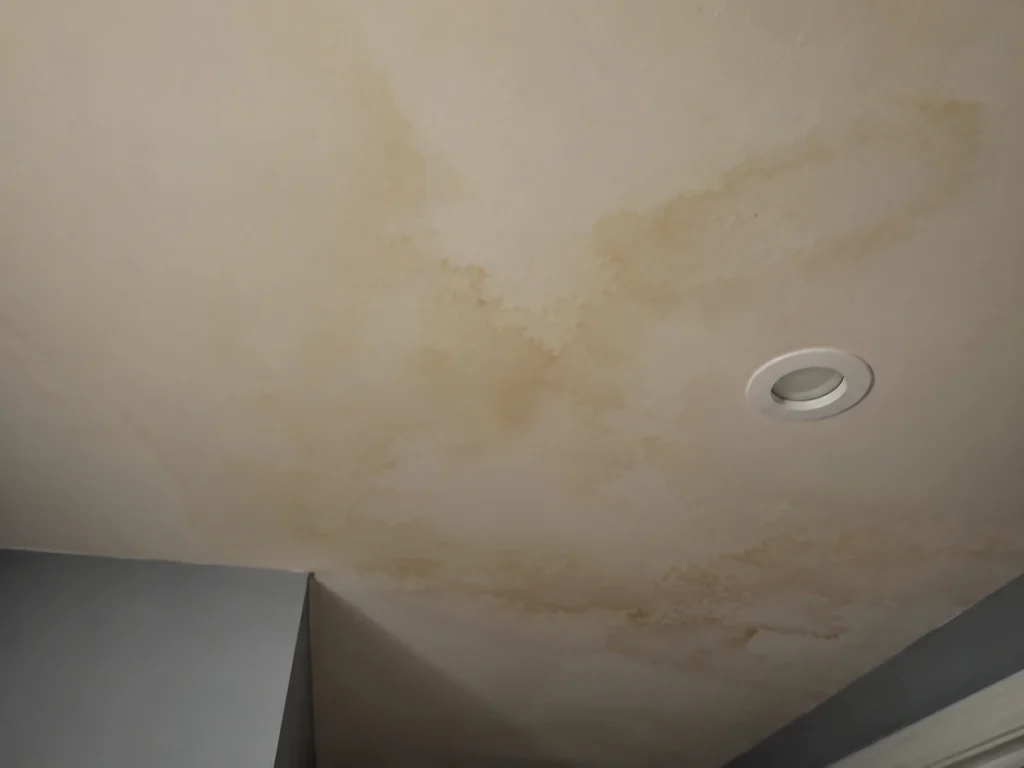
Brown or yellow water stains on walls or ceilings are not something regular paint can always cover.
If a stain keeps coming back after being painted, it usually means the area was not sealed correctly. Standard wall paint is not designed to block old water stains. The stain can bleed through the new coat and show up again after the paint dries.
Before you repaint interior walls with water stains, the source of the moisture should be fixed first. Then the stained area needs a stain-blocking primer before the finish paint goes on.
This is one of those steps that separates a quick cover-up from a professional paint job that actually lasts.
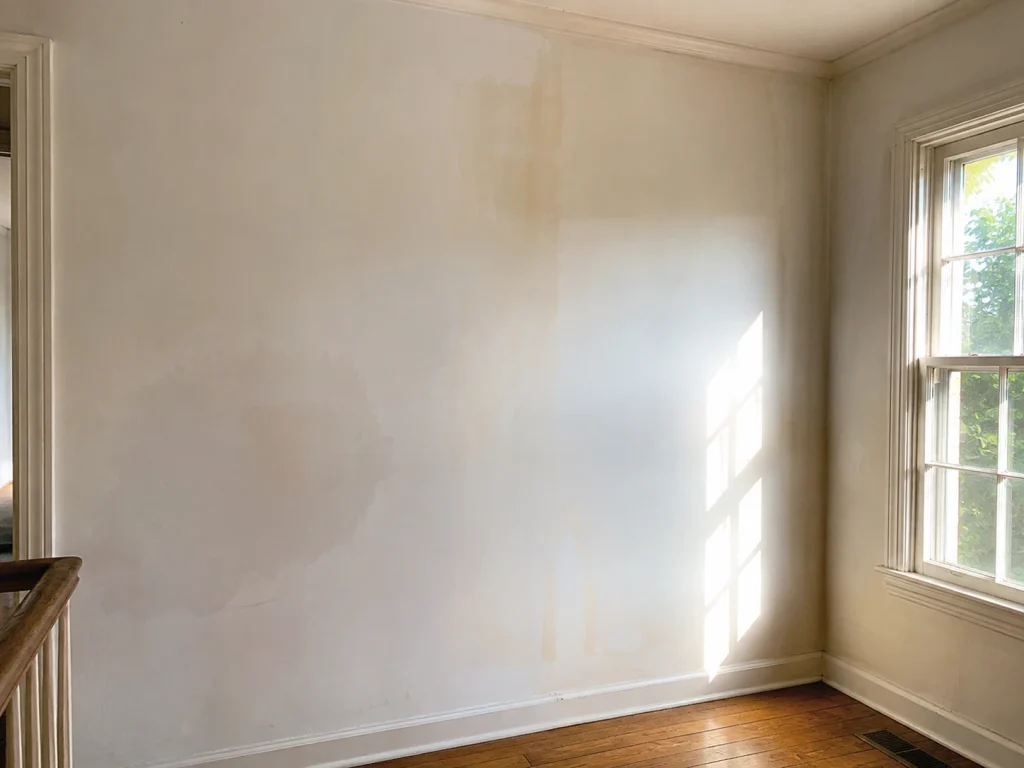
Jacksonville homes get a lot of natural light, and that light can slowly fade interior paint.
A simple way to check is to move a picture frame, mirror, couch, or bookshelf. If the paint behind it looks darker or richer than the rest of the wall, the exposed paint has faded.
Faded paint can make a room feel dull, uneven, or older than it really is. It can also make the color flow of the home feel off, especially in open living areas.
A fresh interior painting project can bring the color back into balance. It can also be a good time to choose updated colors that work better with your floors, cabinets, furniture, and lighting.
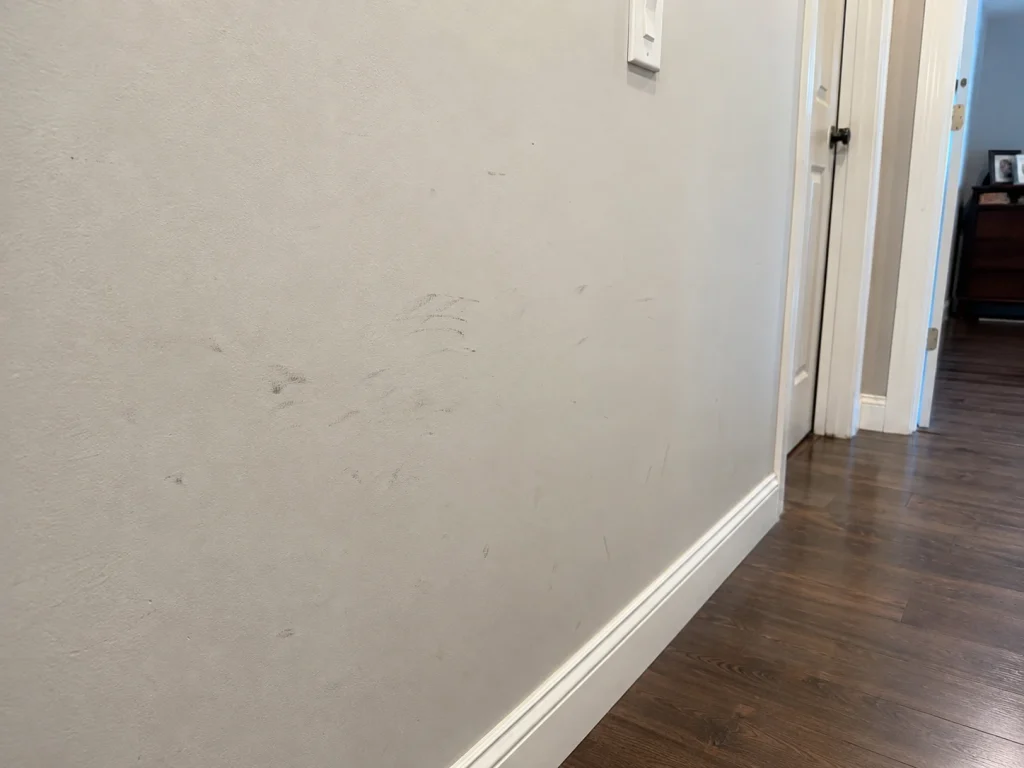
Hallways, stairways, and entry areas are usually some of the first places to show wear.
Kids, pets, shoes, bags, furniture, vacuum cleaners, and everyday traffic can all leave marks on the walls. If your hallway still looks dirty after cleaning, the problem may not be dirt anymore. The paint itself may be worn down.
This happens often when flat paint is used in high-traffic spaces. Flat paint can look nice, but it is not always the best choice for busy areas.
For hallways, entryways, and family spaces, eggshell or satin finishes are usually better options. They are easier to clean and more durable for daily life.
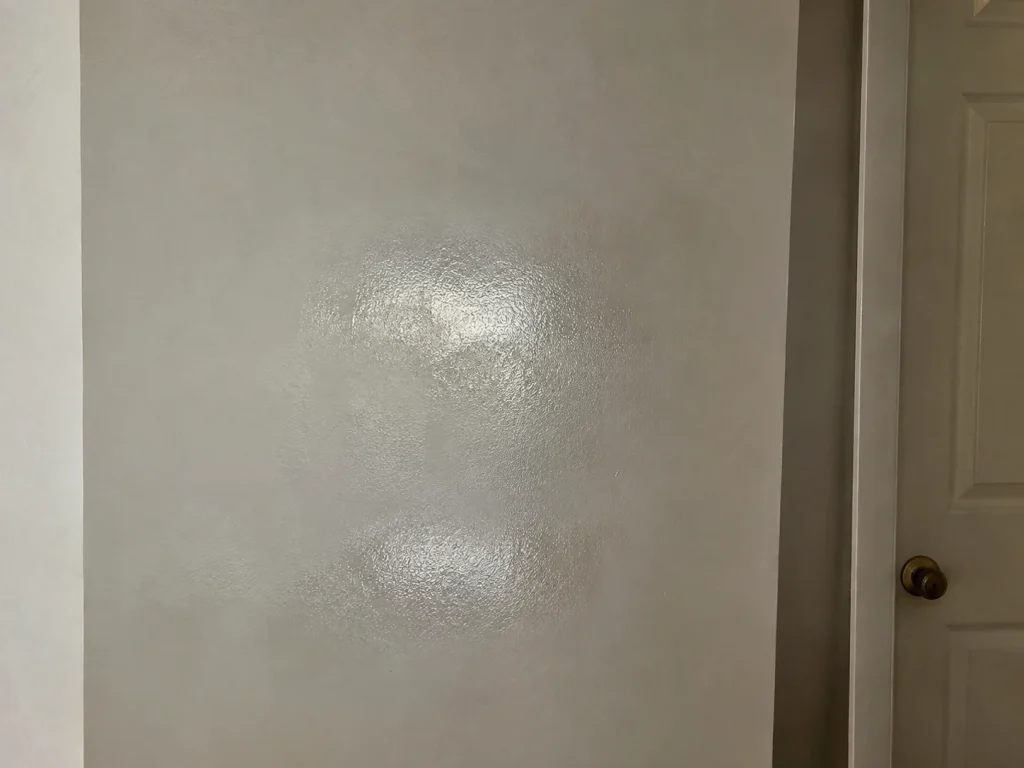
Shiny patches on flat paint are a common interior paint problem.
You may notice them near light switches, doorways, stairwells, hallways, or spots where people brush against the wall often. These shiny areas can also happen when flat paint gets scrubbed too hard during cleaning.
Once flat paint becomes shiny, cleaning usually does not fix it. In fact, more scrubbing can make the shiny area worse.
If your home has kids, pets, or a lot of daily traffic, the better solution may be repainting with a more durable finish. The right finish helps the wall stay cleaner and hold up longer.
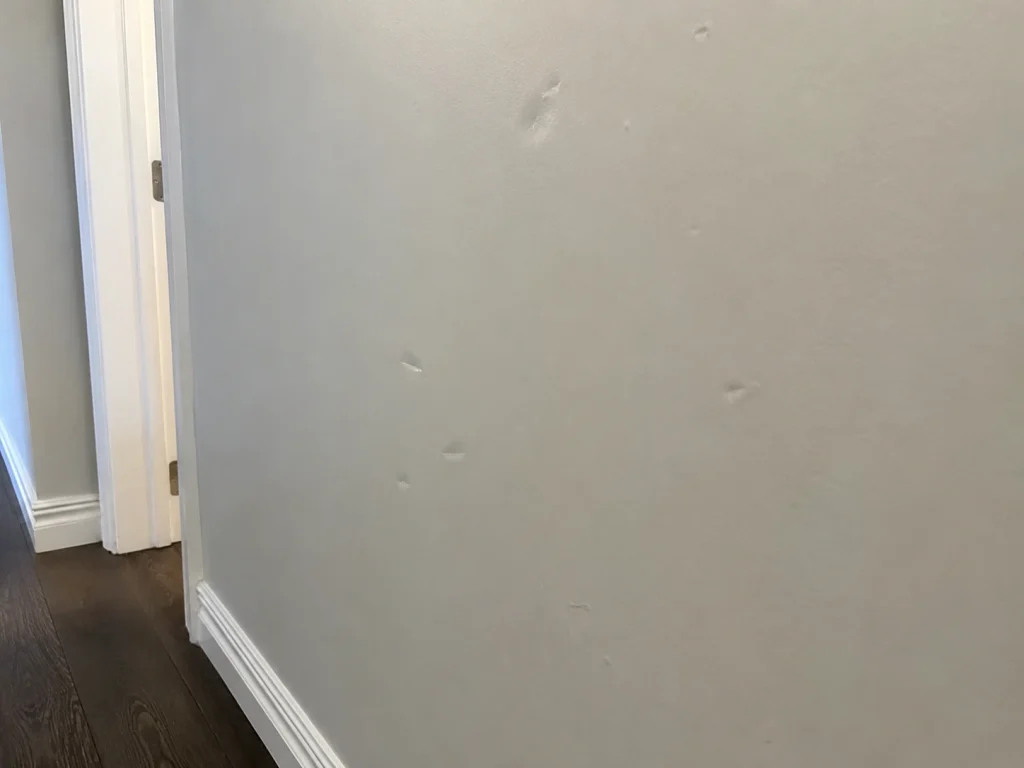
A fresh coat of paint will not hide everything.
Old nail holes, dents, scratches, patch marks, and rough wall repairs can become more noticeable after repainting if the surface is not prepared first.
This is one of the biggest mistakes homeowners make. They assume paint will cover wall damage, but fresh paint can actually highlight rough spots when light hits the wall.
Before paint goes on, damaged areas should be patched, sanded, and primed. The goal is to create a smooth surface so the final coat looks clean and professional.
At Fresh Painting FL, this is part of the process. Good results start before the first coat ever touches the wall.
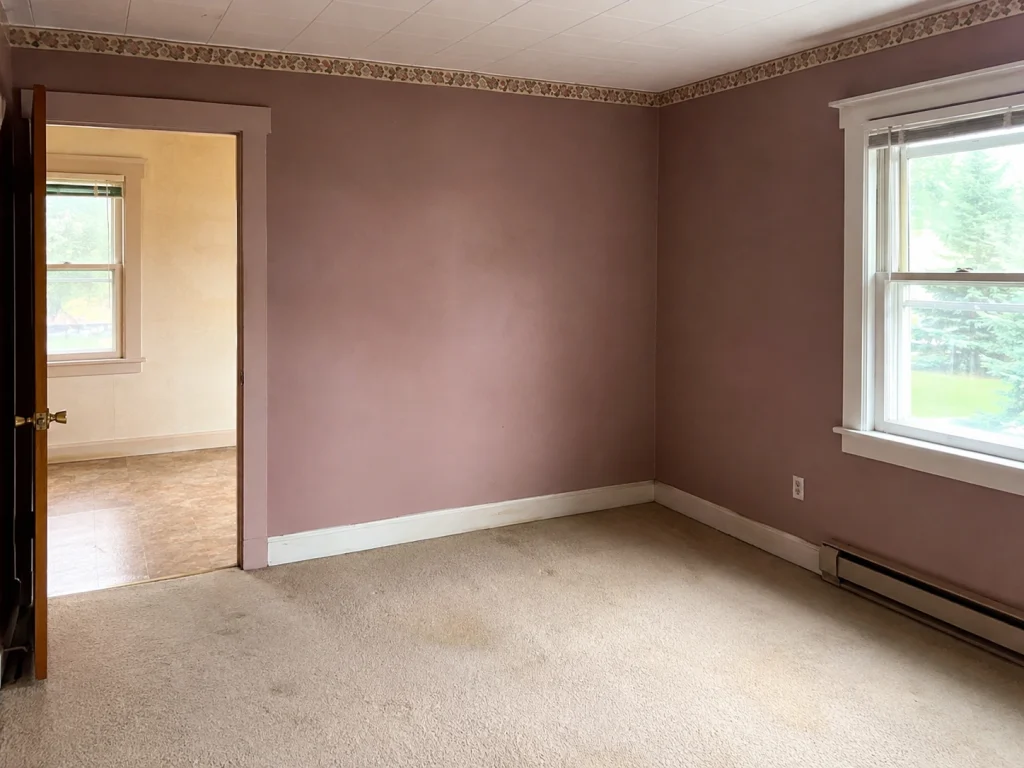
Sometimes the paint is not bubbling, peeling, or stained. Sometimes the home just feels tired.
Old colors, dark rooms, faded walls, mismatched finishes, or outdated paint choices can make a home feel less clean and comfortable than it should. If your walls no longer fit your furniture, flooring, cabinets, or style, it may be time for a fresh look.
This is also a good time to think about nearby updates. If the kitchen feels dated, cabinet painting may pair well with new wall color. If a bathroom feels old or worn down, fresh paint can support a larger refresh.
The right interior paint can make your home feel brighter, cleaner, and more put together without a full renovation.
| Room or Area | Best Paint Finish | Why It Works |
| Bathrooms | Satin or semi-gloss | Handles steam, humidity, and cleaning better than flat paint. |
| Kitchens | Satin or semi-gloss | Easier to wipe down around grease, food splatter, and cooking residue. |
| Hallways and entryways | Eggshell or satin | Holds up better against scuffs, pets, kids, and daily traffic. |
| Bedrooms | Matte or eggshell | Gives a softer look while still offering durability. |
| Living rooms | Matte or eggshell | Creates a clean finish for lower-traffic spaces. |
| Trim and doors | Semi-gloss | Better for fingerprints, bumps, and repeated contact. |
| Laundry rooms | Satin or semi-gloss | Helps protect against moisture and frequent cleaning. |
The goal is simple. Use softer finishes in quieter rooms and tougher finishes in areas that deal with moisture, traffic, and cleaning.
Interior paint problems usually come back when the prep work is rushed.
If a wall is greasy, dusty, peeling, cracked, stained, or uneven, new paint will not perform the way it should. Even expensive paint can fail early if the surface underneath is not ready.
Good prep work may include cleaning, scraping, sanding, patching, caulking, priming, and choosing the right finish for the room. Our guide on how to prep your house for painting explains the most important steps in greater detail.
This is where Fresh Painting FL does things differently. We are a local Jacksonville crew, and we know that a professional finish requires more than showing up with a brush. It takes a disciplined process, careful prep, and a team that stands behind the work.
If your walls are bubbling, peeling, stained, sticky, faded, scuffed, or just starting to feel dated, it may be time to repaint interior walls.
Fresh Painting FL helps homeowners in Northeast Florida communities with professional interior painting in Jacksonville, FL, built around clean prep work and reliable craftsmanship.
If you want a fresh, clean finish without shortcuts, reach out today to schedule your interior painting estimate.


